

Rwanda is small, but its wildlife offering is remarkably complete. Within a few hours’ drive of Kigali you can sit with mountain gorillas, track chimpanzees through ancient rainforest, watch golden monkeys leap through bamboo and drive across open savannah in search of lions and elephants. The country’s strong conservation record, high-value tourism model and efficient infrastructure make it one of Africa’s most rewarding places to plan Rwanda wildlife tours.
This guide covers Rwanda’s main wildlife destinations, how a tour is structured, what it costs, when to go and how to prepare.
Why Choose Rwanda for a Wildlife Tour?
Compact and convenient. Rwanda is roughly the size of Wales, so the main parks can be linked without exhausting transfers. Many itineraries cover several ecosystems in under a week.
Conservation that works. Mountain gorilla numbers have grown over past decades, and Akagera National Park has seen lions and rhinos reintroduced. Permit and park revenue funds protection, and communities share in the benefits.
Quality over quantity. Gorilla trekking is limited by permit numbers, so encounters feel intimate rather than crowded.
Safe and well organised. Visitors often highlight Rwanda’s cleanliness, order and reliable services, which makes logistics smoother, especially for first-time visitors to Africa.
The Four Core Wildlife Destinations
1. Volcanoes National Park: Mountain Gorillas and Golden Monkeys
Volcanoes National Park, in the northwest, is Rwanda’s most famous wildlife site and part of the wider Virunga range. It is the base for mountain gorilla trekking, golden monkey tracking and volcano hikes. The park is about a scenic drive of about three hours from Kigali.
A standard gorilla permit gives you one hour with a habituated family, in groups of up to eight visitors. The trek itself may take under an hour or several, through steep, muddy and misty terrain at altitude. The permit costs USD 1,500 per person, set by the Rwanda Development Board, and the price is reported to hold steady for 2026/2027.
Golden monkey tracking is a lighter, less expensive option. These endangered primates live in bamboo forest, are playful and active and are easier to photograph. A hike to the grave of primatologist Dian Fossey and the crater lake on Mount Bisoke are other popular add-ons.
2. Nyungwe Forest National Park: Chimpanzees and Canopy Walks
Nyungwe, in the southwest, is one of Africa’s oldest and best-preserved montane rainforests. It is a haven for primates, with chimpanzees, colobus monkeys, blue monkeys and many other species, and it is also a top destination for birdwatchers because of its Albertine Rift endemics.
The canopy walkway, suspended high above the forest floor, offers a unique perspective on the treetops and surrounding hills. Chimpanzee tracking requires early starts and a fair level of fitness, but sightings of these intelligent apes are among the most memorable wildlife moments in the country. Nyungwe’s tea plantations and cool, misty climate also make it a scenic stop.
3. Akagera National Park: Savannah Safari
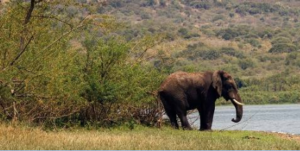
Akagera, in the east along the Tanzanian border, is Rwanda’s only savannah park and the best place to see classic safari wildlife. It combines open plains, woodland, papyrus swamps and lakes, and it supports elephants, giraffes, zebras, buffalo, hippos, crocodiles and a thriving birdlife.
A 2026 guide describes the park as home to lions, elephants, buffalo, rhinos, leopards, zebras, giraffes and over 12,000 animals. Game drives, boat safaris on Lake Ihema and sunset cruises are the main activities. Lions and rhinos are present but not guaranteed on any given day, so a guide’s local knowledge makes a real difference.
4. Lake Kivu and Gishwati-Mukura: Relaxation and Hidden Forests
Lake Kivu, on the western border, is not a big-game destination, but it is the ideal place to relax after trekking, with kayaking, cycling and lakeside lodges. Nearby, the forests of Gishwati-Mukura offer chimpanzee and golden monkey sightings in a quieter, less visited setting, appealing to travellers who prefer fewer crowds.
Sample Rwanda Wildlife Tour Itineraries
4-Day Gorilla Focus
- Day 1: Arrive in Kigali, visit the memorial and drive to the Volcanoes region.
- Day 2: Gorilla trekking.
- Day 3: Golden monkey tracking or a volcano hike.
- Day 4: Return to Kigali.
7-Day Classic Rwanda
- Day 1: Kigali arrival and city tour.
- Day 2: Transfer to Volcanoes National Park.
- Day 3: Gorilla trekking.
- Day 4: Drive to Nyungwe via Lake Kivu.
- Day 5: Chimpanzee tracking and canopy walk.
- Day 6: Transfer to Kigali, with an optional stop at a cultural site.
- Day 7: Departure.
7–10 Day Complete Rwanda
Add Akagera National Park for game drives and a boat safari, and reserve a final night or two by Lake Kivu. An itinerary of this type ties primates, savannah and relaxation into one loop. Some operators build in a gorilla trek, a cultural visit, a sunset boat cruise on Lake Ihema and morning and afternoon game drives in Akagera over five days.
For a one-day taste of the savannah, many travellers book a day trip from Kigali to Akagera, which is only a couple of hours away.
Costs and Budgeting
The permit is the largest single expense. Rwanda charges $1,500 per foreign non-resident for gorilla trekking, and other activities carry their own fees. Beyond permits, budget for accommodation, transport, guides, meals, park entry and tips.
Published 2026 estimates give a sense of scale. One source notes that mid-range lodges cost about $300 to $600 per night on full board, while luxury lodges such as Bisate or Singita can cost $1,200 to $3,500 or more per night. Another comparison suggests that a seven-day Rwanda gorilla safari typically costs $3,500 to $5,500 per person in total. Treat such ranges as guidelines, because costs depend heavily on lodge choice, group size, private versus shared transport and season.
A typical cost breakdown includes:
- Gorilla permit and other activity permits
- Accommodation, from mid-range lodges to luxury suites
- Private vehicle with driver-guide
- Park entry fees for Nyungwe, Akagera and others
- Meals and drinks
- Domestic charters or helicopter transfers, if used
- Tips, insurance, visas and international flights, which are usually separate
Request a fully itemised quote and confirm current tariffs, since gorilla trekking rules and prices can change between tariff periods.
Best Time to Visit
Rwanda has two dry seasons and two wet seasons:
- June to September (long dry season): The best time for trekking, with firmer trails and clear skies. It is also the busiest and most expensive period.
- December to February (short dry season): Warm and comfortable, with good conditions for gorilla and chimpanzee tracking.
- March to May (long rains): Green and quiet, with lower visitor numbers, though trails can be muddy and slippery.
- October to November (short rains): Showers are common but typically brief.
Wildlife can be enjoyed year-round. For Akagera, dry months concentrate animals near water, so game viewing is often easier. Book gorilla permits and top lodges well ahead for dry-season travel.
Preparing for Your Tour
Fitness. Gorilla and chimpanzee treks can be demanding, with steep, uneven terrain at altitude. Build stamina with hill walking and stair climbing in the weeks beforehand.
Clothing and gear. Pack broken-in hiking boots, long trousers, long-sleeved tops, a waterproof jacket, gloves, a hat, sunscreen, insect repellent and layers for cool mornings. Bring binoculars and a camera with a good lens. Flash photography is not permitted around gorillas.
Health and insurance. See a travel clinic for vaccinations and malaria advice. Carry insurance that covers medical evacuation and permit cancellation.
Rules and etiquette. Keep a safe distance from gorillas, stay home if you are ill, keep voices low and follow your guide’s instructions. The minimum age for gorilla trekking is generally 15.
Responsible travel. Rwanda bans single-use plastic bags, and community-run projects benefit directly from tourism. Choose operators that employ and train local staff and support conservation.
Choosing a Tour Operator
A good operator makes the difference between a smooth trip and a stressful one. Look for licensed companies with recent reviews and transparent pricing. Ask who purchases the permits, whether they are confirmed before you pay in full, and what refund and rescheduling policies apply. Clarify inclusions such as transfers, porters, meals and park fees, and ask how guides are trained and paid. Be cautious of offers that seem far below the official permit price.
Conclusion
Rwanda wildlife tours bring together some of Africa’s most extraordinary encounters in a small, safe and beautifully organised country. Mountain gorillas remain the centrepiece, but chimpanzees in Nyungwe, golden monkeys in the bamboo, and elephants, giraffes and lions in Akagera ensure variety. The trade-off is cost, with permits and lodges priced at a premium, yet many travellers find the intimacy, comfort and conservation impact well worth it. Choose your season, secure permits early, prepare for the physical demands and work with a reputable operator, and Rwanda will deliver a wildlife journey that is as smooth as it is unforgettable.
Key Takeaways
- Rwanda’s main wildlife destinations are Volcanoes (gorillas, golden monkeys), Nyungwe (chimpanzees, canopy walk), Akagera (savannah safari) and Lake Kivu (relaxation).
- The gorilla permit costs $1,500 per person for foreign non-residents. Verify current tariffs before booking.
- Tours range from four-day gorilla breaks to ten-day multi-park journeys.
- Lodges range from roughly $300 to $600 per night in mid-range to $1,200 to $3,500+ at the luxury end.
- Dry seasons (June–September, December–February) are easiest for trekking but busiest.
- Moderate fitness, proper gear, early booking and a licensed operator are essential.
- Tourism revenue supports conservation and local communities.
Frequently Asked Questions
- What wildlife can I see in Rwanda?
Mountain gorillas, golden monkeys, chimpanzees, colobus monkeys, elephants, giraffes, zebras, buffalo, hippos, crocodiles, lions and over 400 bird species, depending on the park. - How many days do I need for a Rwanda wildlife tour?
Four days covers gorillas. Seven days adds Nyungwe or Akagera. Ten days allows a fuller loop including Lake Kivu. - How much does a gorilla permit cost?
$1,500 per person for foreign non-residents. Always confirm current tariffs with the Rwanda Development Board or your operator. - Can I see the Big Five in Rwanda?
Akagera is often described as having the Big Five, but leopards and rhinos are rarely seen, so sightings of all five are not guaranteed. - When is the best time to go?
June to September and December to February are the main dry seasons. March to May and October to November are greener and quieter. - How hard is gorilla trekking?
It ranges from easy to strenuous, depending on where the family is. Porters are available and recommended. - Can I do a wildlife tour on a budget?
It is possible to reduce costs through mid-range lodges and shared transport, but Rwanda is not a budget destination because of permit prices. - Is Rwanda safe for tourists?
Rwanda is widely regarded as one of Africa’s safer and better-organised destinations. Check current government travel advice before you go. - What is the minimum age for gorilla trekking?
Generally 15 years. - Can I combine Rwanda with Uganda or Tanzania?
Yes. Many travellers combine Rwanda with Uganda for more gorilla options, or with Tanzania for a savannah safari.